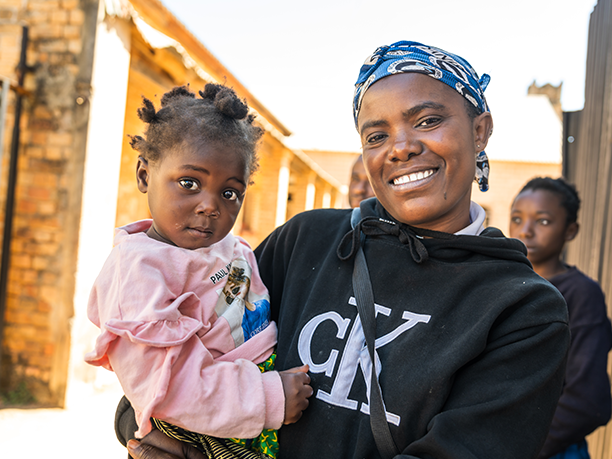
In the rural town of Mpika, Zambia, Sharon and her husband Victor grow maize to feed their four children. When extreme weather like drought hits, its farming families who feel it first—and hardest.
Donate Now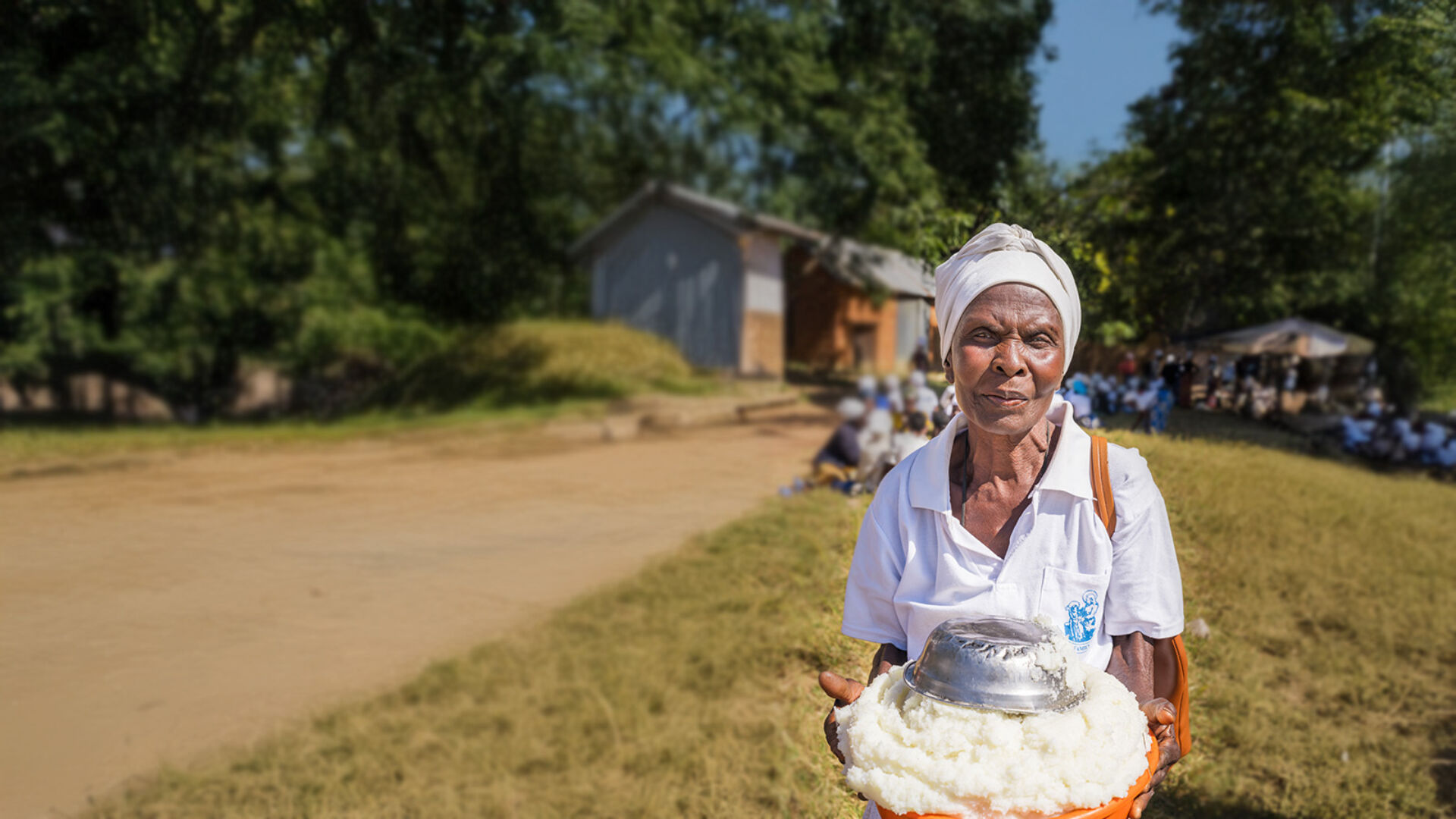
How the Maize Mill Project is Transforming Communities in Mpika Diocese
There are many elements that contribute to a flourishing community. Access to healthcare, education, shelter and basic resources are vital, but without an economic foundation, these efforts cannot be sustained.
Guided by the values of the Gospel, Catholic Mission has been working alongside the Diocese of Mpika in Zambia to foster a sustainable and inclusive local economy. This collaboration, aligned with the global vision of the United Nation’s Sustainable Development Goals, seeks to create opportunities that uplift the entire community, especially the most vulnerable.
The Maize Mill Project was born from a shared vision of stewardship and justice in response to Zambia’s worsening food crisis.
In 2024, the country entered a state of emergency as drought, inflation and falling crop yields drove up prices and deepened hunger. In Mpika, communities were trapped in a cycle of selling maize cheaply and buying it back as costly flour. To break this pattern, Bishop Edwin Mulandu launched the Maize Mill Project, a locally driven initiative that promotes food security, economic dignity and care for creation.
A significant and often overlooked strength within the community has been its women, many of whom were previously excluded from traditional economic roles.
Already, the project has brought together more than 1000 women from across the diocese, with many more hoping to join. These women are provided with seeds, fertiliser and training to help them grow their crops.
Once harvested, the maize is purchased by the diocese at a fair and pre-set price, then processed into flour through the mill and returned to serve the needs of the local community. Major buyers of produce include hospitals, boarding schools, hotels, lodges, business communities, workers and the local communities within the district.
By applying the principles of the circular economy, the project is not only feeding the community and laying the foundation for a sustainable local economy but most importantly, it is empowering the women involved by providing them with a fair and dignified source of income.
“It’s not only training and employment opportunities, but it gives women in the community a space to come together and share challenges in a safe environment and access support if needed,” said Conor Nolan, Catholic Mission’s Program Officer in charge of facilitating the project.
This World Mission Month, Pope Leo XIV has echoed the call of Pope Francis, encouraging us to take up the challenge of being ‘pilgrims of hope’, reminding us that our faith compels us to step out, to walk with those on the margins and to share the hope of Christ through acts of love.
In these words, we are reminded that mission is not something distant, it is lived each day when we open our hearts to others. Your support this World Mission Month becomes an expression of the missionary spirit, bringing tangible hope to families in Zambia, who hold on in faith for a better tomorrow.